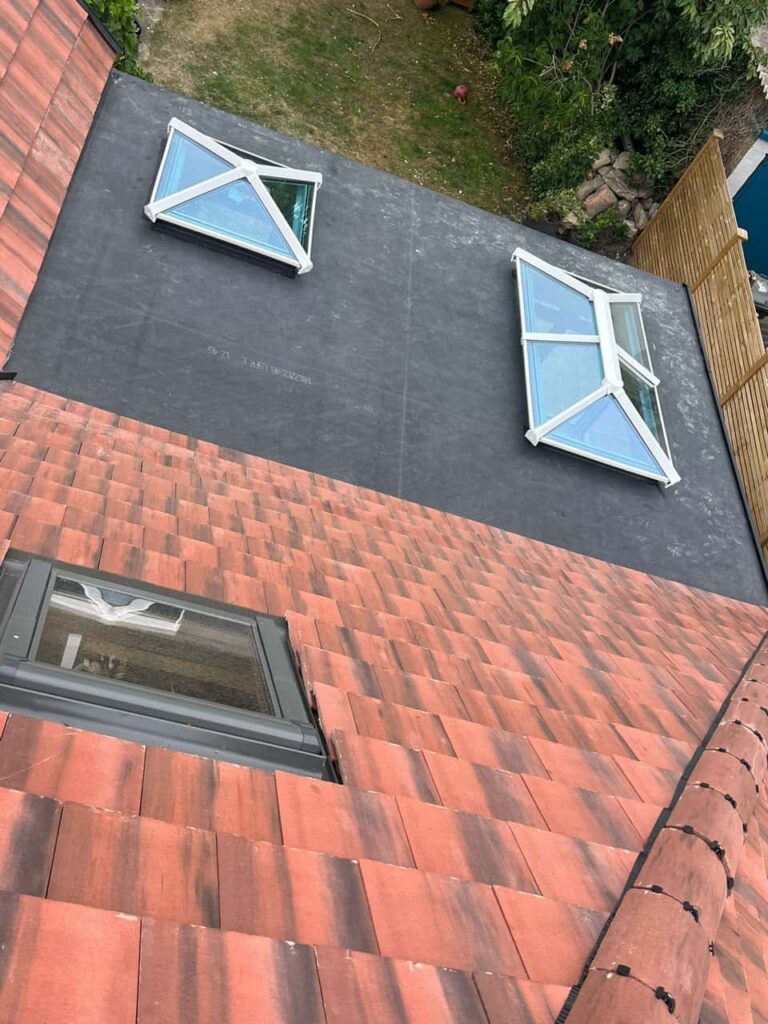
Many homeowners try to improve heat retention by upgrading windows, adding insulation or sealing gaps around doors. While these measures can help, they are often less effective if the roof itself is aging or failing. A deteriorating roof allows heat to escape far more easily than most people realise, and until it is replaced, the home may continue to struggle with warmth and energy efficiency.
At Eastwood Roofing Repairs in Eastwood, Nottingham, we help homeowners understand why their roof plays such a critical role in preventing heat loss — and why replacing it can make one of the biggest differences to indoor comfort.
Heat Escapes Most Easily Through the Roof
Warm air rises naturally, which means the roof is the primary point where homes lose heat. When roofing materials begin to age or fail, the escape of warm air becomes even more pronounced.
Common reasons include:
- Cracked or degraded tiles
- Damaged or worn underlay
- Gaps around ridges and edges
- Poor ventilation leading to moisture problems
- Sagging roof structures reducing insulation effectiveness
Until these issues are resolved fully, the home will continue to lose a significant amount of heat.
Ageing Underlay Is a Major Cause of Energy Loss
The underlay beneath the tiles plays a crucial part in keeping warmth inside. Over time, underlay can:
- Become brittle
- Tear or split
- Absorb moisture
- Lose its insulating qualities
Once it is compromised, the home becomes far more vulnerable to draughts and rapid heat escape. Replacing the roof allows the entire underlay system to be renewed, restoring its protective performance.
Moisture Problems Reduce Insulation Efficiency
A failing roof often leads to dampness in the loft. Moisture affects insulation by:
- Compressing it
- Reducing airflow around it
- Decreasing its ability to retain warmth
Even high-quality insulation cannot perform properly when damp or damaged. A new roof eliminates the source of moisture, allowing insulation to work as intended again.
Gaps and Weak Points Become Heat Channels
Small gaps in the roof structure may seem insignificant, but when warm indoor air is constantly rising, these gaps act as channels for heat to escape. These weak points often form due to:
- Slipped tiles
- Worn fixings
- Weather damage
- Structural movement
- Poor workmanship on older roofs
Replacing the roof ensures a tight, correctly aligned installation that seals these gaps properly.
Ventilation Imbalances Affect Heat Retention
While ventilation is essential to prevent condensation, poorly designed or outdated vent systems can allow heat to escape too quickly. Older roofs are particularly prone to this issue. A new roof allows for a modern ventilation design that balances moisture control with better heat retention.
Energy Efficiency Improves Immediately With a New Roof
Once a new roof is installed, the benefits are noticeable straight away. Homeowners typically experience:
- More stable indoor temperatures
- Reduced cold spots
- Less strain on heating systems
- Lower long-term maintenance needs
- A warmer home with greater comfort throughout winter
A well-constructed roof acts as a barrier, keeping warm air inside and preventing cold air from entering.
When to Consider Roof Replacement for Heat Loss Issues
You may be ready for a roof replacement if you notice:
- Persistent cold draughts
- Higher heating usage than expected
- Cold ceilings or loft areas
- Damp or mould patches
- Visible roof wear from outside
- Insulation that often feels damp
These signs suggest the roof is no longer supporting heat efficiency effectively.
Conclusion
Heat loss is one of the most common signs of an ageing or failing roof. While small fixes can help temporarily, many homes continue to struggle with warmth until the roof is fully replaced. A new roof restores proper sealing, ventilation and insulation performance, helping keep your home warmer, more efficient and more comfortable all year round.
If you suspect your home is losing heat through the roof, Eastwood Roofing Repairs in Eastwood, Nottingham is here to help. Contact us to arrange a professional inspection and find out whether a new roof could be the solution your home needs.
Call us on: 01773 300 896
Click here to find out more about Eastwood Roofing Repairs
Click here to complete our contact form and see how we can help with your roofing needs.